Sermorelin
$50.00
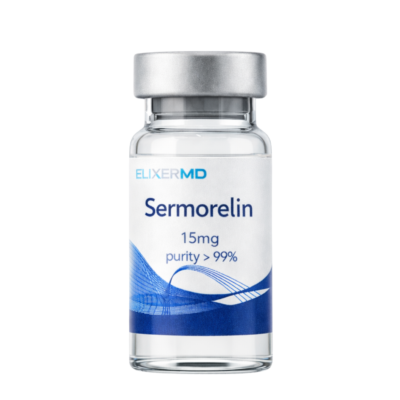
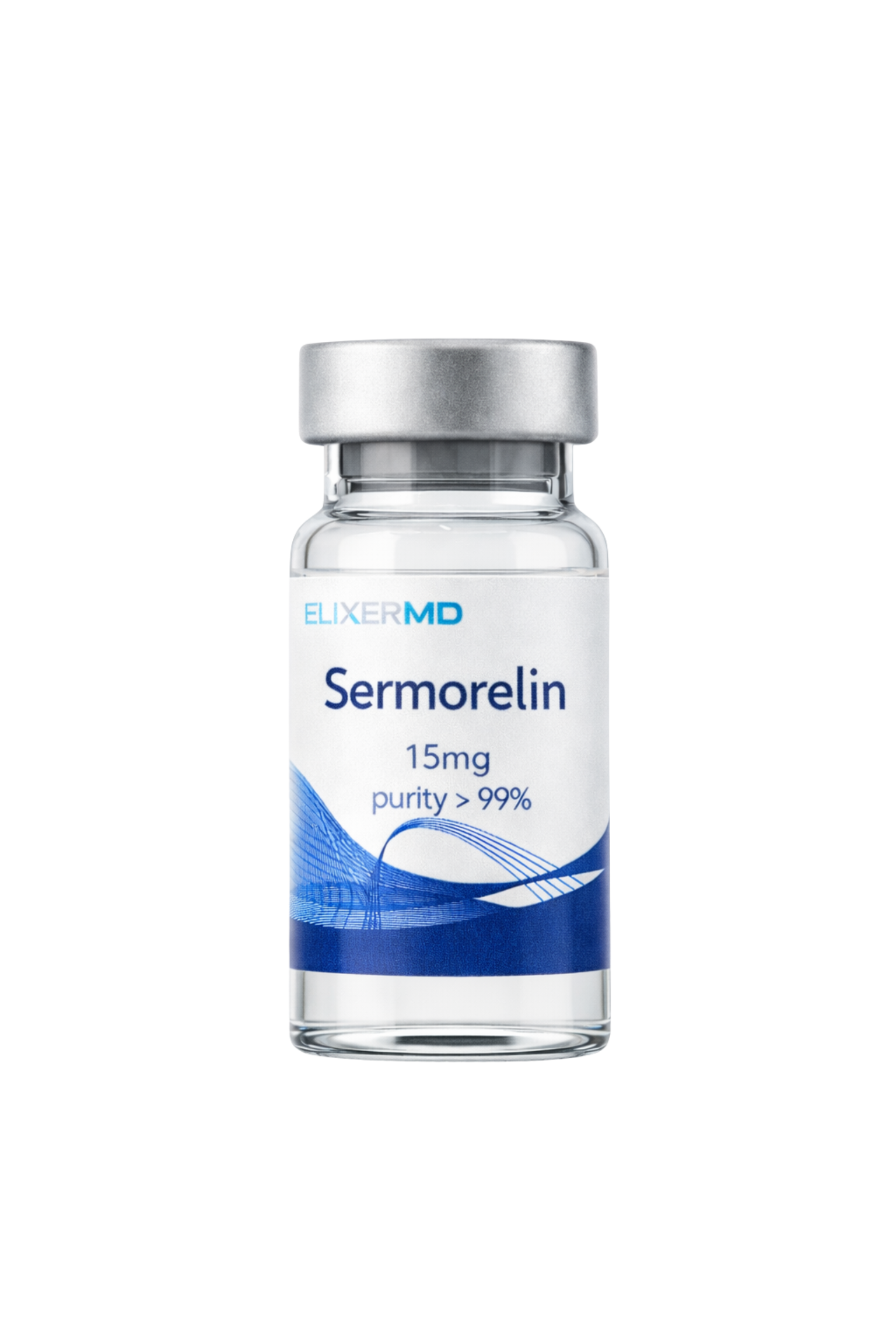
Sermorelin is a synthetic peptide that functions as a growth hormone–releasing hormone (GHRH) analog. It is widely utilized in laboratory studies examining pituitary function, growth hormone regulation, and hypothalamic signaling pathways. Due to its stability and receptor selectivity, Sermorelin is an essential research peptide for studying the endocrine system’s control of metabolism and cellular growth.
Additional info
Introduction
Sermorelin, also known as GRF (1–29), is a synthetic analog of endogenous growth hormone–releasing hormone (GHRH). Comprising the first 29 amino acids of the natural GHRH sequence, Sermorelin retains full biological activity and receptor affinity, making it a standard model compound for studying pituitary growth hormone release and hypothalamic-pituitary interactions. Because Sermorelin selectively binds to GHRH receptors on somatotrophs in the anterior pituitary, it serves as a valuable research tool in endocrine and growth regulation studies.
Stability and Bioavailability
Sermorelin is characterized by its high biochemical stability, predictable molecular weight, and strong receptor selectivity. Synthetic production allows for enhanced purity and batch consistency, ensuring reliable results across experimental assays. Its short half-life and water solubility enable repeatable activation of growth hormone secretion pathways in cell-based and pituitary culture models.
Research Applications
Pituitary Function and Growth Hormone Regulation
Sermorelin acts as a potent stimulator of growth hormone (GH) release by mimicking endogenous GHRH signaling. It provides researchers with a controllable tool for studying the pulsatile nature of GH secretion and its downstream effects on metabolic and anabolic pathways.
Hypothalamic–Pituitary Axis Studies
Because of its well-defined structure and receptor specificity, Sermorelin is frequently employed in experiments exploring feedback loops between GHRH, GH, and somatostatin within the hypothalamic–pituitary–somatotropic (HPS) axis.
Metabolic and Cellular Growth Research
In in-vitro models, Sermorelin has been used to evaluate GH-mediated protein synthesis, lipid metabolism, and cell proliferation. Its reliable biological mimicry allows for detailed exploration of molecular signaling cascades linked to growth and regeneration processes.
Summary
Sermorelin represents a stable and well-characterized analog of growth hormone–releasing hormone, providing a consistent and effective model for studying GH regulation and pituitary function. Its precise receptor activation, short amino acid chain, and reproducibility make it an important peptide in modern endocrine and metabolic research.
References
-
Walker RF et al., Sermorelin: A better approach to management of adult-onset growth hormone insufficiency?, Clinical Interventions in Aging (2006). PubMed
-
Rekasi Z et al., A method for evaluation of activity of antagonistic analogs of growth hormone-releasing hormone in a superfusion system., Proc Natl Acad Sci USA (1993). PubMed
-
Kiaris H et al., Growth hormone-releasing hormone: An autocrine growth factor for small cell lung carcinoma, Proc Natl Acad Sci USA (1999). PubMed
ALL ARTICLES AND PRODUCT INFORMATION PROVIDED ON THIS WEBSITE ARE FOR INFORMATIONAL AND EDUCATIONAL PURPOSES ONLY.
The products offered on this website are furnished for in-vitro studies only. In-vitro studies (Latin: in glass) are performed outside of the body. These products are not medicines or drugs and have not been approved by the FDA to prevent, treat, or cure any medical condition, ailment, or disease. Bodily introduction of any kind into humans or animals is strictly forbidden by law.
Storage Instructions
All peptides are manufactured using lyophilization (freeze-drying), a process that protects product integrity during shipping and storage. This ensures that peptides remain stable for 3–4 months while in their lyophilized form.
Once reconstituted (mixed with bacteriostatic water), peptides should be stored in the refrigerator and will remain stable for up to 30 days.
Lyophilized peptides (unmixed powder) can be kept at room temperature for short-term storage but should ideally be refrigerated under 4°C (39°F) to maintain stability. For long-term preservation (several months to years), peptides should be stored in a freezer at -20°C to -80°C (-4°F to -112°F).
Proper storage helps maintain purity and quality, ensuring your peptides are reliable for research use.
More Peptides:
-
$15.00
-
$220.00
-
$45.00