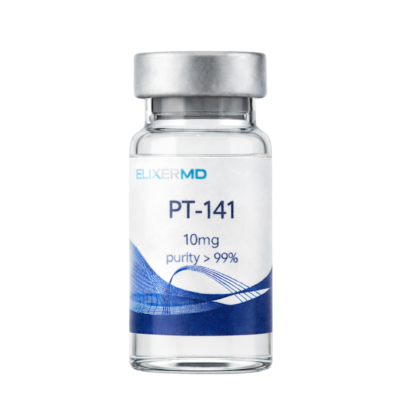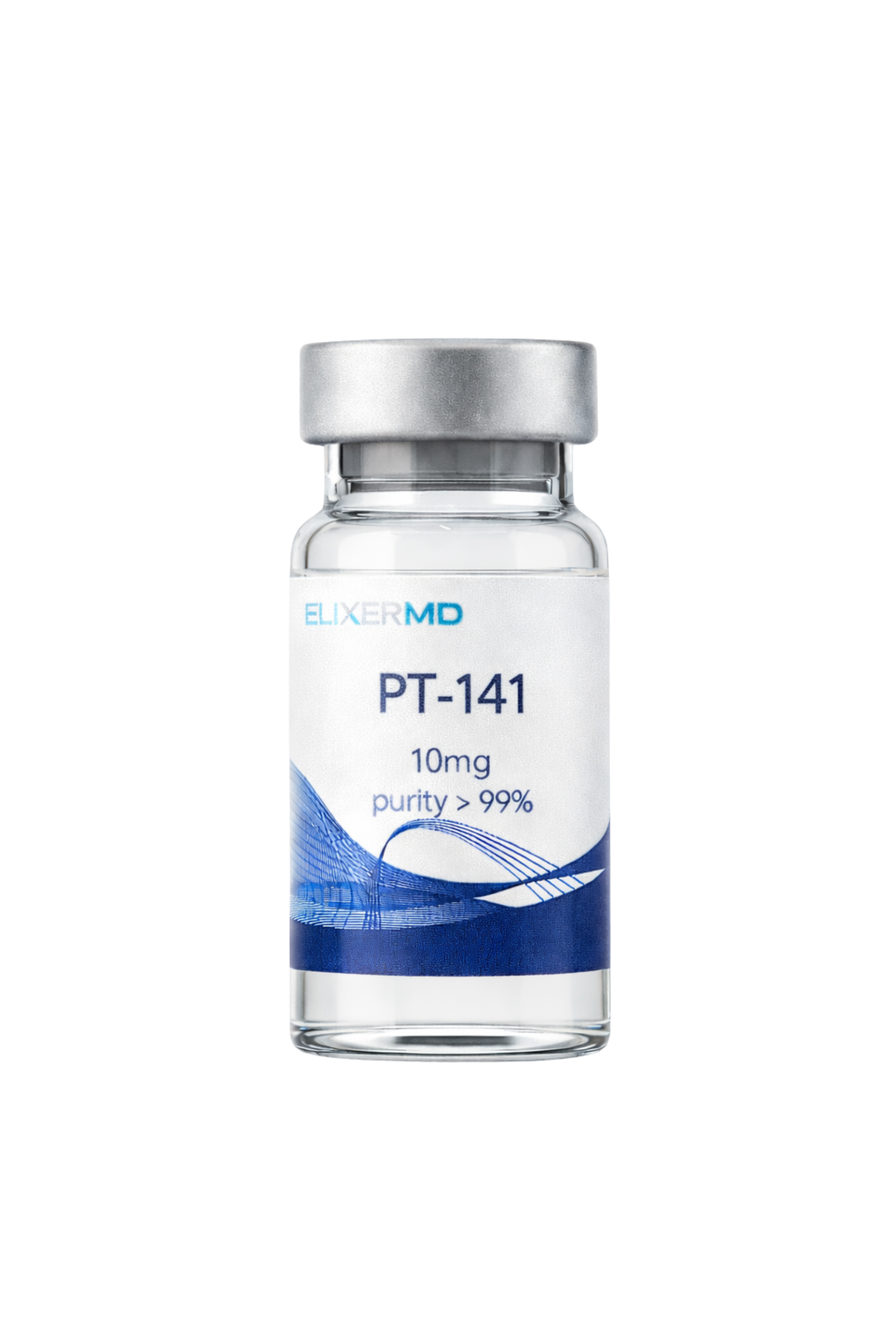
PT-141 (10mg)
$45.00
PT-141, also known as Bremelanotide, is a synthetic peptide analog of α-Melanocyte Stimulating Hormone (α-MSH) that primarily targets the melanocortin-4 receptor (MC4R) and melanocortin-3 receptor (MC3R). In research, PT-141 is studied for its effects on neuroendocrine signaling, receptor-mediated pathways, and hypothalamic function related to energy balance and autonomic regulation.
In stock
Additional info
Introduction
PT-141 (Bremelanotide) is a cyclic heptapeptide derived from Melanotan II and functions as a selective agonist of the melanocortin-3 and melanocortin-4 receptors (MC3R and MC4R). Unlike its parent analogs, PT-141 does not act on melanocortin-1 receptors, making it an ideal compound for exploring non-pigmentation-related effects of melanocortin signaling. In research environments, PT-141 is used to study the neurochemical and receptor-level pathways governing autonomic and endocrine regulation, with a focus on hypothalamic neuronal activation, energy expenditure, and peptide signaling cascades.
Stability and Bioavailability
PT-141’s cyclic structure enhances its receptor-binding affinity and stability against enzymatic degradation. When stored under recommended laboratory conditions, it maintains its structural integrity and bioactivity for extended periods, enabling consistent results in in-vitro receptor activation and neuroendocrine pathway studies.
Research Applications
Melanocortin Receptor Pathway Studies
PT-141 selectively targets MC3R and MC4R receptors, key regulators of neuroendocrine signaling. In vitro research uses PT-141 to evaluate receptor activation, peptide-receptor kinetics, and intracellular cAMP responses in hypothalamic and neuronal models.
Neuroendocrine Regulation and Hypothalamic Function
Due to its central melanocortin receptor activation, PT-141 provides a valuable model for studying hypothalamic control of autonomic and endocrine processes, including peptide-mediated regulation of appetite, metabolism, and energy expenditure.
Signal Transduction and G-Protein Coupled Receptor (GPCR) Activity
PT-141 contributes to research involving GPCR-mediated intracellular signaling. Its receptor selectivity and cyclic structure make it an important reference compound for understanding GPCR desensitization, receptor internalization, and cyclic AMP signaling.
Autonomic and Behavioral Studies
Laboratory models use PT-141 to investigate central melanocortin pathways involved in neurochemical responses and autonomic control mechanisms. It serves as a tool for mapping receptor activity and downstream peptide signaling networks.
Summary
PT-141 (Bremelanotide) is a stable, selective melanocortin receptor agonist that provides valuable insight into MC3R and MC4R receptor biology. Its role in neuroendocrine and autonomic research has made it a cornerstone peptide for studying the melanocortin system and GPCR-mediated signaling in vitro.
References
-
Cone RD, The Central Melanocortin System and Energy Homeostasis, Trends Endocrinol Metab. (1999). PubMed
-
Markov DD et al., The Melanocortin System: A Promising Target for the Development of New Antidepressant Drugs, Int J Mol Sci. (2002). PubMed
-
Spana C et al., Effect of bremelanotide on body weight of obese women: Data from two phase 1 randomized controlled trials, Diabetes Obes Metab. (2001). PubMed
ALL ARTICLES AND PRODUCT INFORMATION PROVIDED ON THIS WEBSITE ARE FOR INFORMATIONAL AND EDUCATIONAL PURPOSES ONLY.
The products offered on this website are furnished for in-vitro studies only. In-vitro studies (Latin: in glass) are performed outside of the body. These products are not medicines or drugs and have not been approved by the FDA to prevent, treat, or cure any medical condition, ailment, or disease. Bodily introduction of any kind into humans or animals is strictly forbidden by law.
Storage Instructions
All peptides are manufactured using lyophilization (freeze-drying), a process that protects product integrity during shipping and storage. This ensures that peptides remain stable for 3–4 months while in their lyophilized form.
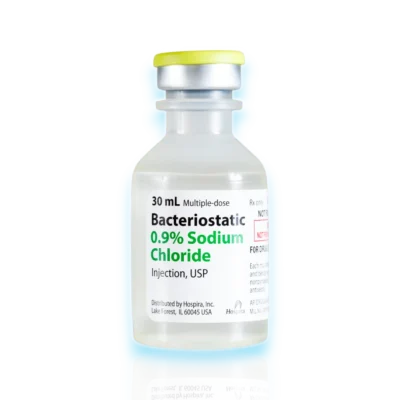
Once reconstituted (mixed with bacteriostatic water), peptides should be stored in the refrigerator and will remain stable for up to 30 days.
Lyophilized peptides (unmixed powder) can be kept at room temperature for short-term storage but should ideally be refrigerated under 4°C (39°F) to maintain stability. For long-term preservation (several months to years), peptides should be stored in a freezer at -20°C to -80°C (-4°F to -112°F).
Proper storage helps maintain purity and quality, ensuring your peptides are reliable for research use.
More Peptides:
-
$50.00
 Select options This product has multiple variants. The options may be chosen on the product page
 -
$15.00
-
$220.00