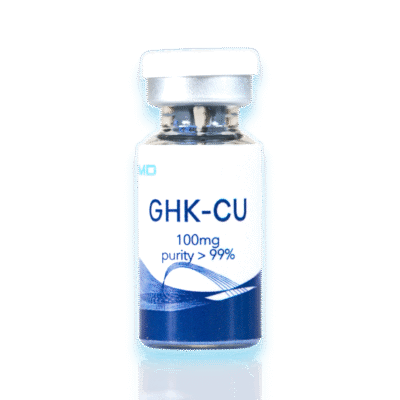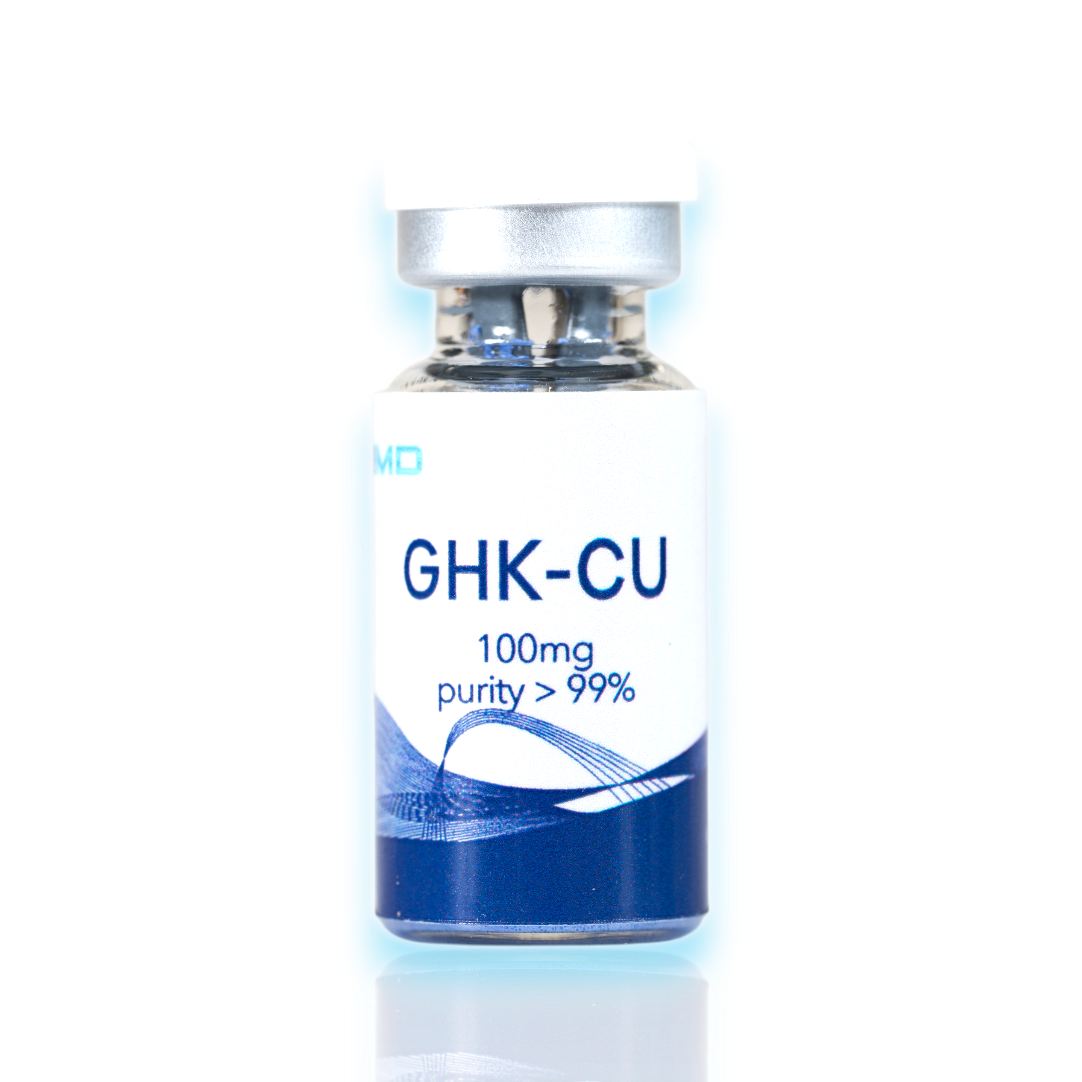
GHK-CU (100mg)
$130.00
GHK-Cu is a naturally occurring copper-binding peptide first identified in human plasma. Research suggests it may play a role in tissue remodeling, antioxidant defense, and cellular signaling. Laboratory models have studied its influence on wound repair, collagen synthesis, and gene expression. GHK-Cu continues to attract interest for its broad range of biological activities observed in preclinical research.
In stock
Additional info
Introduction
GHK-Cu (glycyl-L-histidyl-L-lysine bound with copper) is a naturally occurring tripeptide complex found in human plasma, saliva, and urine. Since its discovery in the 1970s, it has been extensively studied for its biological roles in tissue regeneration, inflammation control, and gene regulation. Research has highlighted its ability to modulate cellular processes linked to wound healing, skin health, and systemic protective pathways.
Stability and Bioavailability
GHK-Cu is considered highly bioactive at very low concentrations. Laboratory studies have shown that it binds readily to copper ions, facilitating enzymatic processes essential for antioxidant defense and tissue remodeling. Its small molecular size enhances penetration and interaction with biological systems, making it a reliable subject for experimental research.
Research Applications
Wound Repair and Collagen Synthesis
Multiple studies suggest GHK-Cu can stimulate collagen production, angiogenesis, and tissue repair. In vitro and animal models have demonstrated accelerated healing responses and reduced scarring when GHK-Cu was present in the extracellular environment.
Anti-Inflammatory and Antioxidant Properties
Research has shown that GHK-Cu may regulate inflammatory cytokines and upregulate antioxidant enzymes. These effects have been studied in models of oxidative stress, indicating its role in mitigating free radical damage and supporting cellular recovery.
Gene Expression and Systemic Regulation
One of the most compelling areas of research is GHK-Cu’s effect on gene expression. Investigations suggest it may activate a wide array of protective genes while suppressing those linked to stress and cancer progression. This broad genomic influence continues to make GHK-Cu a peptide of significant scientific interest.
Summary
GHK-Cu is a copper-binding tripeptide naturally found in human plasma and other biological fluids. Research highlights its potential roles in tissue regeneration, wound healing, inflammation control, and gene regulation. Its multi-faceted activity has made it one of the most widely studied peptides in molecular and cellular biology, with promising implications for future research across multiple fields.
References
-
Pickart L et al., The Human Tripeptide GHK-Cu in Prevention of Oxidative Stress and Degenerative Conditions of Aging: Implications for Cognitive Health, Oxid Medicine Cellular Longevity (2012). PubMed
-
Maquart FX, et al., Stimulation of collagen synthesis in fibroblast cultures by the tripeptide-copper complex glycyl-L-histidyl-L-lysine-Cu2+, FEBS Press (1988). PubMed
-
He Q et al., The naturally occurring peptide GHK reverses age-related fibrosis by modulating myofibroblast function, Aging Pathobiology and Therapeutics (2024). PubMed
ALL ARTICLES AND PRODUCT INFORMATION PROVIDED ON THIS WEBSITE ARE FOR INFORMATIONAL AND EDUCATIONAL PURPOSES ONLY.
The products offered on this website are furnished for in-vitro studies only. In-vitro studies (Latin: in glass) are performed outside of the body. These products are not medicines or drugs and have not been approved by the FDA to prevent, treat, or cure any medical condition, ailment, or disease. Bodily introduction of any kind into humans or animals is strictly forbidden by law.
Storage Instructions
All peptides are manufactured using lyophilization (freeze-drying), a process that protects product integrity during shipping and storage. This ensures that peptides remain stable for 3–4 months while in their lyophilized form.
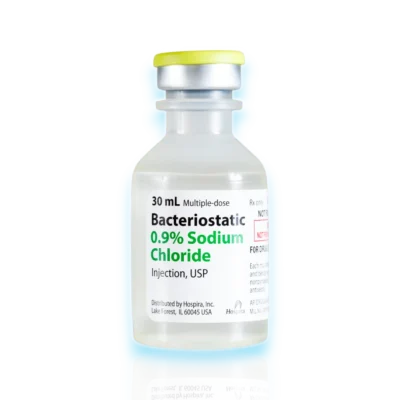
Once reconstituted (mixed with bacteriostatic water), peptides should be stored in the refrigerator and will remain stable for up to 30 days.
Lyophilized peptides (unmixed powder) can be kept at room temperature for short-term storage but should ideally be refrigerated under 4°C (39°F) to maintain stability. For long-term preservation (several months to years), peptides should be stored in a freezer at -20°C to -80°C (-4°F to -112°F).
Proper storage helps maintain purity and quality, ensuring your peptides are reliable for research use.
More Peptides:
-
$50.00
 Select options This product has multiple variants. The options may be chosen on the product page
 -
$15.00
-
$220.00