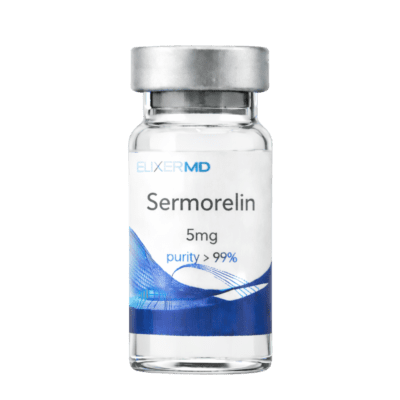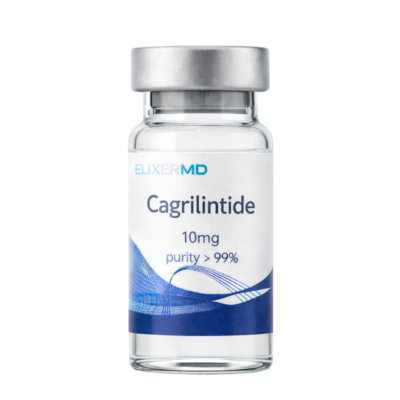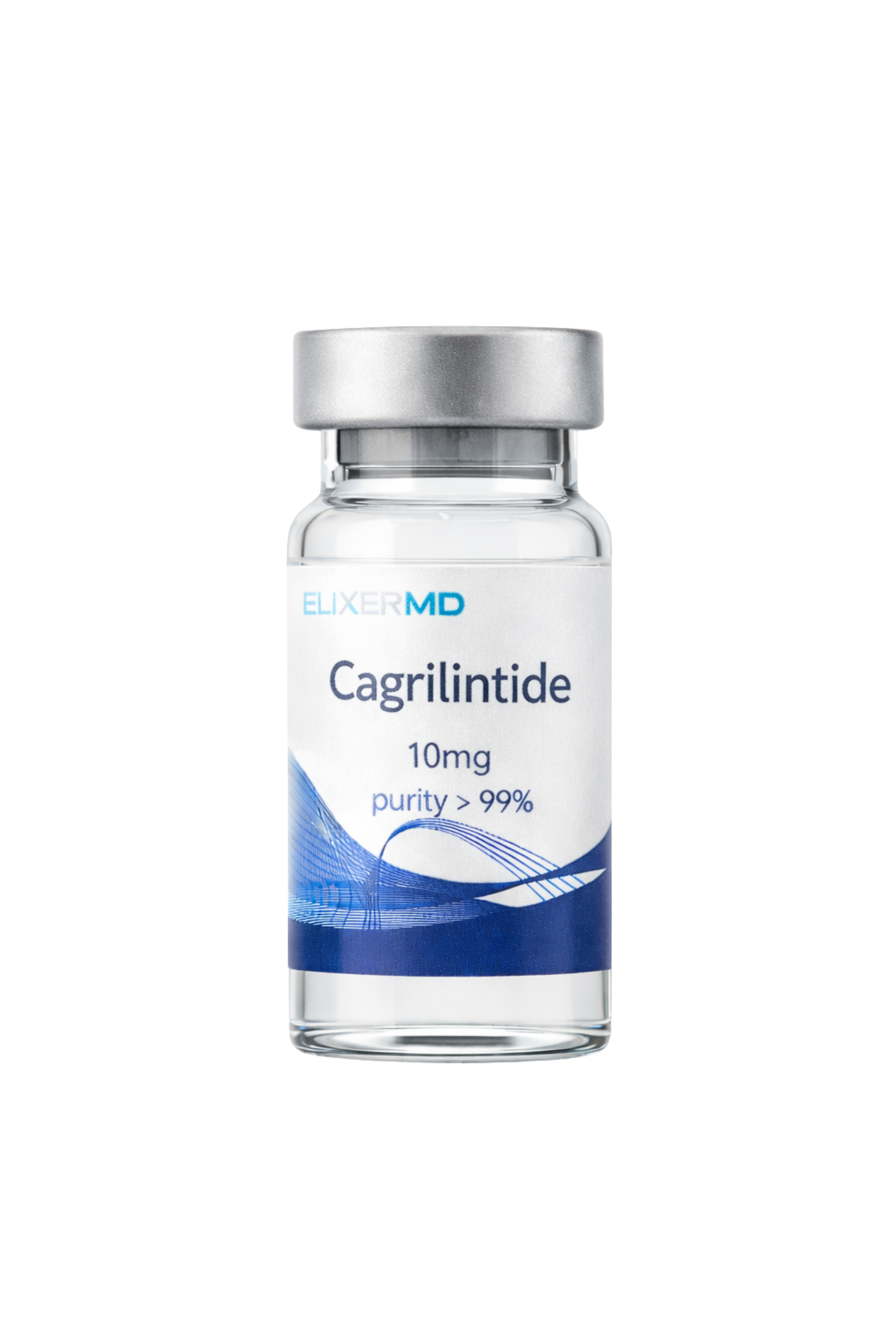
Cagrilintide (10mg) Research Peptide
$150.00
Cagrilintide is a long-acting amylin analog studied for its ability to modulate appetite and body weight through the central nervous system’s satiety pathways. It is commonly used in research on metabolic regulation, glucose control, and neuroendocrine signaling. Its structural stability and sustained receptor activation make it a valuable compound in obesity and energy balance studies.
In stock
Additional info
Introduction
Cagrilintide is a synthetic analog of the human peptide hormone amylin, engineered to improve stability and extend half-life. Amylin is co-secreted with insulin by pancreatic β-cells and plays a key role in regulating satiety, gastric emptying, and glucose metabolism. In laboratory research, Cagrilintide is used to explore amylin receptor activation, energy expenditure, and central appetite control. Its prolonged activity and resistance to enzymatic degradation make it a robust tool for investigating long-term metabolic regulation and peptide-based weight management mechanisms.
Stability and Bioavailability
Cagrilintide incorporates specific amino acid substitutions that confer increased resistance to proteolytic enzymes and allow for sustained receptor interaction. These modifications enable extended biological activity in vitro, particularly in studies involving neuropeptide receptor binding and cAMP signaling. Its enhanced solubility and slow degradation profile make it ideal for experiments requiring extended peptide exposure or long-duration dose-response observation under controlled laboratory conditions.
Research Applications
Appetite and Satiety Regulation
Cagrilintide has demonstrated potent activity at amylin and calcitonin receptors in vitro, modulating neuronal signaling associated with hunger suppression. Studies often focus on its effects on the hypothalamus, where it influences satiety pathways and reduces feeding behavior in preclinical models.
Metabolic and Energy Homeostasis Research
The peptide’s role in glucose and lipid metabolism makes it valuable for research into obesity, insulin resistance, and energy expenditure. Cagrilintide’s dual action on amylin and calcitonin receptors allows detailed analysis of hormonal cross-talk between appetite-regulating systems.
Combination Therapy Investigations
Cagrilintide is often studied in combination with GLP-1 receptor agonists such as semaglutide or liraglutide to assess synergistic effects on energy balance and metabolic function. Research suggests potential complementary mechanisms that amplify satiety and enhance metabolic efficiency.
Summary
Cagrilintide is a long-acting amylin analog with significant utility in metabolic and neuroendocrine research. Its stability, receptor selectivity, and sustained bioactivity make it a leading model compound for studying appetite regulation, glucose control, and obesity-related pathways in vitro.
References
-
D’Ascanio AM et al., Cagrilintide, a long-acting amylin analog for the treatment of obesity, Cardiology in review (2024). PubMed
-
Boyle CN et al., Amylin – Its role in the homeostatic and hedonic control of eating and recent developments of amylin analogs to treat obesity, Molecular Metabolism (2017). PubMed
-
Carvas AO et al., Cagrilintide lowers bodyweight through brain amylin receptors 1 and 3, EBioMedicine (2025). PubMed
-
Dehestani B et al., Amylin as a Future Obesity Treatment, J Obes Metab Syndr. (2019). PubMed
ALL ARTICLES AND PRODUCT INFORMATION PROVIDED ON THIS WEBSITE ARE FOR INFORMATIONAL AND EDUCATIONAL PURPOSES ONLY.
The products offered on this website are furnished for in-vitro studies only. In-vitro studies (Latin: in glass) are performed outside of the body. These products are not medicines or drugs and have not been approved by the FDA to prevent, treat, or cure any medical condition, ailment, or disease. Bodily introduction of any kind into humans or animals is strictly forbidden by law.
Storage Instructions
All peptides are manufactured using lyophilization (freeze-drying), a process that protects product integrity during shipping and storage. This ensures that peptides remain stable for 3–4 months while in their lyophilized form.
Once reconstituted (mixed with bacteriostatic water), peptides should be stored in the refrigerator and will remain stable for up to 30 days.
Lyophilized peptides (unmixed powder) can be kept at room temperature for short-term storage but should ideally be refrigerated under 4°C (39°F) to maintain stability. For long-term preservation (several months to years), peptides should be stored in a freezer at -20°C to -80°C (-4°F to -112°F).
Proper storage helps maintain purity and quality, ensuring your peptides are reliable for research use.
More Peptides:
-
$50.00
 Select options This product has multiple variants. The options may be chosen on the product page
 -
$15.00
-
$220.00