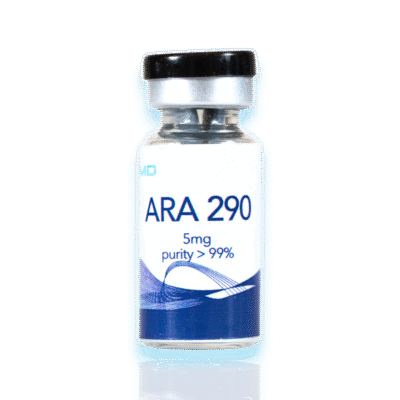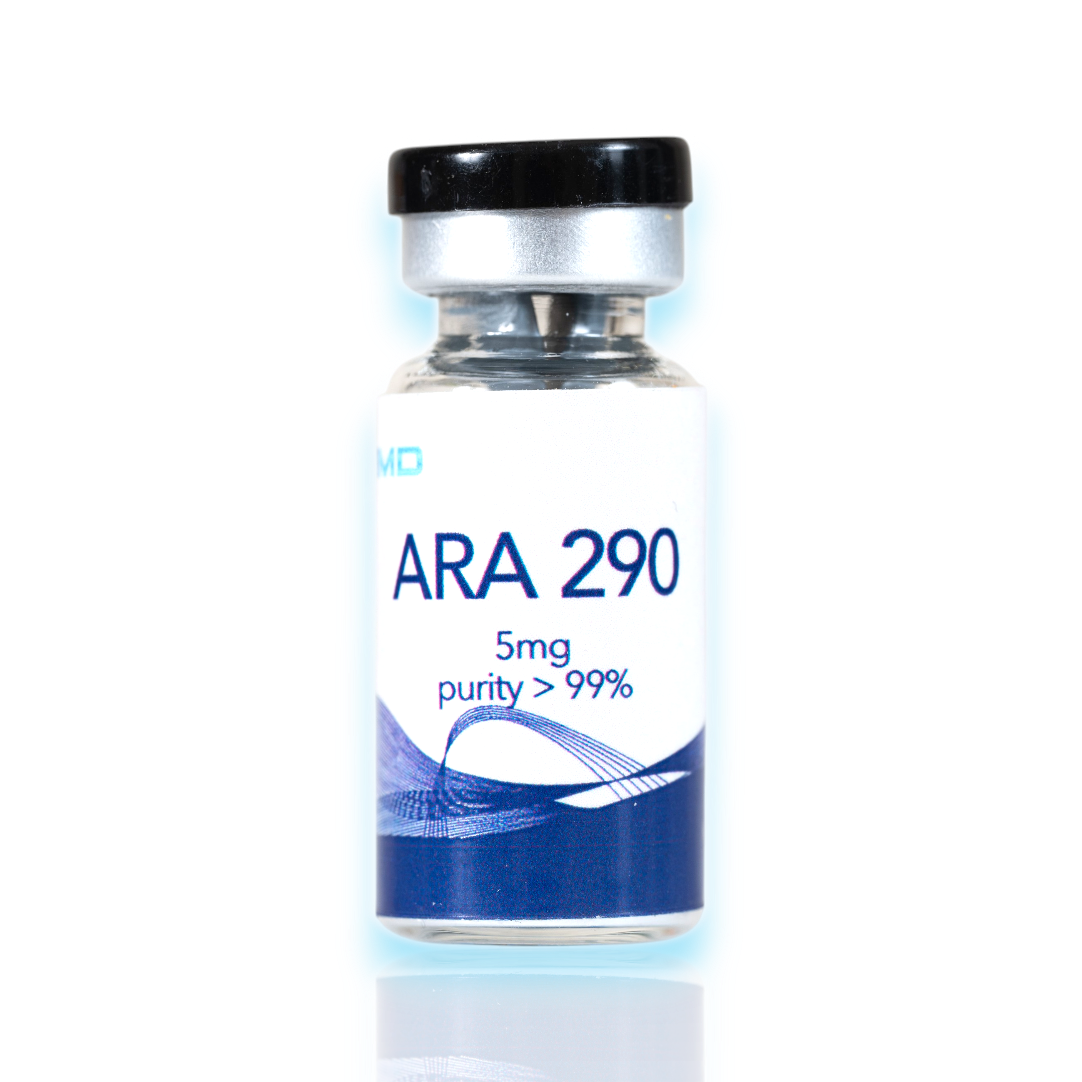
ARA 290 (5mg)
$50.00
ARA 290 is a synthetic peptide derived from erythropoietin, designed to selectively target the innate repair receptor (IRR). Preclinical studies suggest it may play a role in modulating inflammation, reducing tissue injury, and supporting nerve function. Research models have examined its potential in cardiovascular health, neuropathy, and autoimmune-related processes. Stable and bioavailable under standard laboratory conditions, ARA 290 offers unique opportunities for continued investigation in cell and tissue repair pathways.
In stock
Additional info
Introduction
ARA 290 is a non-erythropoietic derivative of erythropoietin (EPO) designed to interact specifically with the innate repair receptor (IRR). Unlike native EPO, ARA 290 does not stimulate red blood cell production but has been studied for its potential roles in tissue protection, immune modulation, and neurological pathways. Research in animal and early human models highlights its promise in fields such as neuropathic pain, sarcoidosis-related small fiber neuropathy, and ischemia-reperfusion injury.
Stability and Bioavailability
Studies suggest ARA 290 demonstrates stability under standard laboratory handling and can be delivered in experimental models without the hematopoietic side effects associated with erythropoietin. Its ability to cross biological barriers has supported investigations into its neurological and systemic applications, where bioavailability has been considered a key advantage.
Research Applications
Neuropathic and Nerve Repair Models
Research indicates ARA 290 may influence pathways related to nerve protection and regeneration. Animal and early clinical studies have explored its role in conditions involving nerve injury and small fiber neuropathy, showing potential improvements in markers of nerve density and pain modulation.
Inflammation and Autoimmune Response
ARA 290 has been studied for its potential effects on inflammatory signaling. Preclinical work suggests that activation of the IRR may modulate cytokine release, reduce tissue stress, and provide protective effects in immune-mediated conditions.
Cardiovascular and Ischemia Models
Models of ischemia-reperfusion injury have suggested that ARA 290 may reduce oxidative damage and tissue loss. This research aligns with broader investigations into its protective role in cardiovascular and organ injury models.
Summary
ARA 290 is a synthetic peptide developed to harness the protective and reparative properties of erythropoietin while avoiding hematopoietic activity. Research has investigated its potential applications in neuropathic injury, inflammatory regulation, and ischemia models, with promising outcomes in animal studies and early clinical observations. By focusing on IRR pathways, ARA 290 contributes to ongoing scientific interest in peptides that modulate tissue protection and repair.
References
-
Brines M, Cerami A. The receptor that tames the innate immune response. Mol Med. (2012). PubMed
-
Dahan A, et al. ARA 290, a nonerythropoietic peptide, improves small fiber neuropathy in sarcoidosis patients. Mol Med. (2013). PubMed
-
Brines M, et al. Nonerythropoietic, tissue-protective peptides derived from the tertiary structure of erythropoietin. Br J Pharmacol. (2008). PubMed
ALL ARTICLES AND PRODUCT INFORMATION PROVIDED ON THIS WEBSITE ARE FOR INFORMATIONAL AND EDUCATIONAL PURPOSES ONLY.
The products offered on this website are furnished for in-vitro studies only. In-vitro studies (Latin: in glass) are performed outside of the body. These products are not medicines or drugs and have not been approved by the FDA to prevent, treat, or cure any medical condition, ailment, or disease. Bodily introduction of any kind into humans or animals is strictly forbidden by law.
Storage Instructions
All peptides are manufactured using lyophilization (freeze-drying), a process that protects product integrity during shipping and storage. This ensures that peptides remain stable for 3–4 months while in their lyophilized form.
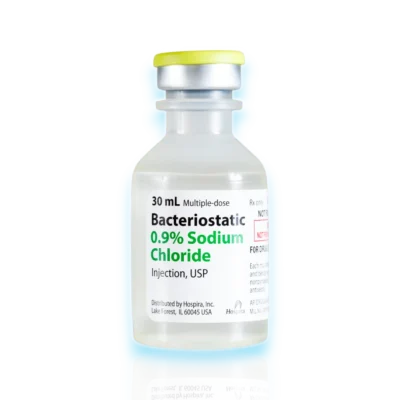
Once reconstituted (mixed with bacteriostatic water), peptides should be stored in the refrigerator and will remain stable for up to 30 days.
Lyophilized peptides (unmixed powder) can be kept at room temperature for short-term storage but should ideally be refrigerated under 4°C (39°F) to maintain stability. For long-term preservation (several months to years), peptides should be stored in a freezer at -20°C to -80°C (-4°F to -112°F).
Proper storage helps maintain purity and quality, ensuring your peptides are reliable for research use.
More Peptides:
-
$50.00
 Select options This product has multiple variants. The options may be chosen on the product page
 -
$15.00
-
$220.00