DSIP
From: $50.00 +
DSIP (Delta Sleep-Inducing Peptide) is a naturally occurring neuropeptide first identified in the 1970s. It has been researched for its roles in sleep regulation, stress response, and endocrine activity. Laboratory studies suggest DSIP may influence circadian rhythms and modulate hormone release. Its broad potential biological effects make it an active subject in neurobiology and peptide research.
Additional info
Introduction
DSIP (Delta Sleep-Inducing Peptide) is a short-chain neuropeptide originally isolated from the brains of rabbits in 1974. Since its discovery, it has been the focus of research exploring its potential roles in sleep induction, stress modulation, and hormonal regulation. Found naturally in the hypothalamus and other brain regions, DSIP has become a well-known peptide in neuroendocrinology research.
Stability and Bioavailability
In laboratory studies, DSIP has demonstrated both rapid metabolism and a relatively short half-life. Its activity is believed to be mediated through interactions with the central nervous system, particularly regions responsible for circadian rhythm regulation and endocrine balance. Experimental analogs have been explored to enhance stability and extend its research utility.
Research Applications
Sleep and Circadian Rhythm Regulation
Early studies indicated DSIP may influence sleep architecture, particularly by promoting slow-wave sleep. While human trials have produced mixed results, animal studies continue to highlight its possible regulatory role in circadian rhythm and sleep cycles.
Endocrine and Hormonal Modulation
DSIP has been linked to modulation of hormonal secretion in research models. It has been observed to interact with the release of luteinizing hormone (LH), adrenocorticotropic hormone (ACTH), and growth hormone, suggesting potential involvement in neuroendocrine signaling pathways.
Stress and Adaptation Responses
DSIP has also been studied for its possible anti-stress properties. Research indicates it may help regulate responses to environmental or psychological stressors by influencing the hypothalamic-pituitary-adrenal (HPA) axis.
Summary
DSIP is a naturally occurring neuropeptide with documented roles in sleep regulation, hormonal activity, and stress response. Research continues to explore its mechanisms of action and potential implications for circadian biology and neuroendocrinology.
References
-
Monnier M et al. The delta sleep inducing peptide (DSIP). Comparative properties of the original and synthetic nonapeptide, Experientia (1977). PubMed
-
Graf MV et al. Delta sleep-inducing peptide (DSIP): a review. Neurosci Biobehav Rev. (1984). PubMed
-
Pollard BJ et al. Delta sleep-inducing peptide, Neurosci Behav Physiol (2001). PubMed
ALL ARTICLES AND PRODUCT INFORMATION PROVIDED ON THIS WEBSITE ARE FOR INFORMATIONAL AND EDUCATIONAL PURPOSES ONLY.
The products offered on this website are furnished for in-vitro studies only. In-vitro studies (Latin: in glass) are performed outside of the body. These products are not medicines or drugs and have not been approved by the FDA to prevent, treat, or cure any medical condition, ailment, or disease. Bodily introduction of any kind into humans or animals is strictly forbidden by law.
Storage Instructions
All peptides are manufactured using lyophilization (freeze-drying), a process that protects product integrity during shipping and storage. This ensures that peptides remain stable for 3–4 months while in their lyophilized form.
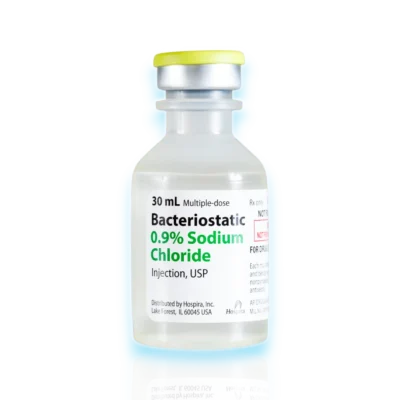
Once reconstituted (mixed with bacteriostatic water), peptides should be stored in the refrigerator and will remain stable for up to 30 days.
Lyophilized peptides (unmixed powder) can be kept at room temperature for short-term storage but should ideally be refrigerated under 4°C (39°F) to maintain stability. For long-term preservation (several months to years), peptides should be stored in a freezer at -20°C to -80°C (-4°F to -112°F).
Proper storage helps maintain purity and quality, ensuring your peptides are reliable for research use.
More Peptides:
-
$50.00
 Select options This product has multiple variants. The options may be chosen on the product page
 -
$15.00
-
$220.00