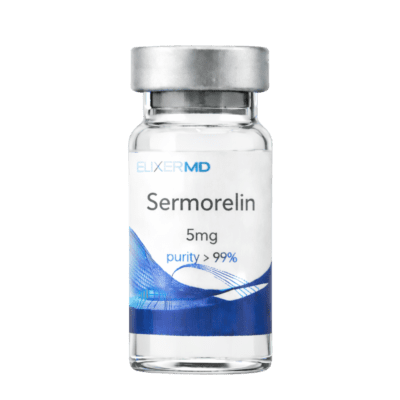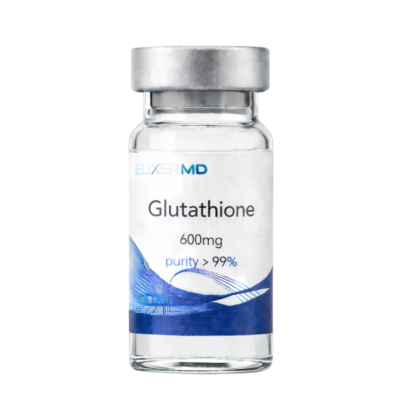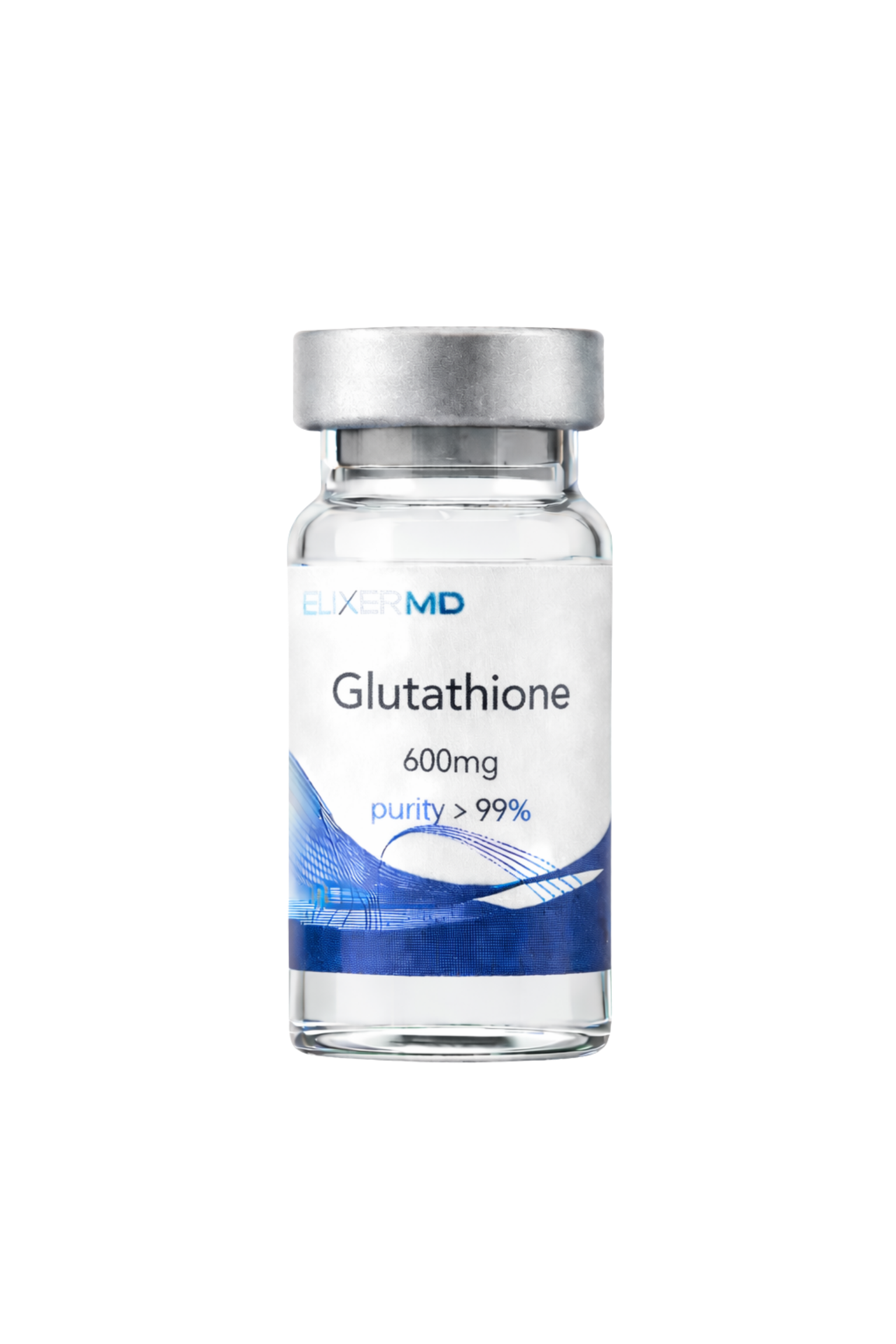
Glutathione (600mg) Research Peptide
$80.00
Glutathione (GSH) is a tripeptide composed of glutamine, cysteine, and glycine, recognized for its essential role in maintaining cellular redox balance. It is a critical molecule in studies involving oxidative stress, detoxification, and immune system regulation. Researchers use Glutathione to explore antioxidant defense mechanisms and the modulation of cellular metabolism.
In stock
Additional info
Introduction
Glutathione (GSH) is one of the body’s most abundant naturally occurring antioxidants and plays a pivotal role in protecting cells from oxidative damage. It serves as a substrate for various enzymatic reactions and maintains the redox potential within cells. In laboratory research, Glutathione is studied for its function in detoxification, cellular metabolism, and the regeneration of other antioxidants such as vitamins C and E. Its presence in nearly all eukaryotic cells highlights its universal significance in maintaining cellular health and function.
Stability and Bioavailability
Glutathione’s tripeptide structure allows it to participate in redox cycling, acting both as a reducing and conjugating agent. It demonstrates high solubility and strong compatibility in aqueous solutions, making it suitable for in-vitro biochemical studies. Although native Glutathione is rapidly metabolized in vivo, in-vitro studies benefit from its chemical stability and predictable oxidation behavior. This allows researchers to analyze glutathione’s effects on oxidative stress, enzyme activity, and protein regulation with reproducibility and precision.
Research Applications
Antioxidant Defense and Redox Homeostasis
Glutathione directly neutralizes reactive oxygen species (ROS) and reactive nitrogen species (RNS) in cellular assays. It also serves as a cofactor for glutathione peroxidase and glutathione reductase, two key enzymes in antioxidant defense mechanisms.
Detoxification Pathways
As a major conjugating agent, Glutathione binds to electrophilic xenobiotics through glutathione S-transferase (GST) activity, facilitating cellular detoxification research. This process is essential for studying how cells handle oxidative metabolites and environmental toxins.
Cellular Signaling and Apoptosis Regulation
GSH is integral to redox-sensitive signaling pathways, influencing transcription factors such as NF-κB and AP-1. It is widely used in cell culture studies investigating apoptosis, mitochondrial function, and gene expression under oxidative conditions.
Immunological and Metabolic Research
Glutathione participates in T-cell activation and cytokine regulation, providing a foundation for immunology and metabolic disease research. It also supports studies exploring glutathione depletion in conditions of cellular stress, infection, and inflammation.
Summary
Glutathione is a cornerstone molecule in antioxidant and redox biology research. Its versatility across cellular protection, detoxification, and signaling studies makes it a vital peptide for understanding oxidative stress and metabolic regulation at the molecular level.
References
-
Lu SC, Regulation of glutathione synthesis, Molecular Aspects of Medicine (2009). PubMed
-
Pompella A et al., The changing faces of glutathione, a cellular protagonist, Biochemical Pharmacology (2003). PubMed
-
Franco R et al., Glutathione efflux and cell death, Antioxidants & Redox Signaling (2012). PubMed
-
Townsend DM et al., The importance of glutathione in human disease, Biomedicine & Pharmacotherapy (2003). PubMed
-
Jones DP, Redox potential of GSH/GSSG couple: assay and biological significance, Methods in enzymology (2002). Pubmed
ALL ARTICLES AND PRODUCT INFORMATION PROVIDED ON THIS WEBSITE ARE FOR INFORMATIONAL AND EDUCATIONAL PURPOSES ONLY.
The products offered on this website are furnished for in-vitro studies only. In-vitro studies (Latin: in glass) are performed outside of the body. These products are not medicines or drugs and have not been approved by the FDA to prevent, treat, or cure any medical condition, ailment, or disease. Bodily introduction of any kind into humans or animals is strictly forbidden by law.
Storage Instructions
All peptides are manufactured using lyophilization (freeze-drying), a process that protects product integrity during shipping and storage. This ensures that peptides remain stable for 3–4 months while in their lyophilized form.
Once reconstituted (mixed with bacteriostatic water), peptides should be stored in the refrigerator and will remain stable for up to 30 days.
Lyophilized peptides (unmixed powder) can be kept at room temperature for short-term storage but should ideally be refrigerated under 4°C (39°F) to maintain stability. For long-term preservation (several months to years), peptides should be stored in a freezer at -20°C to -80°C (-4°F to -112°F).
Proper storage helps maintain purity and quality, ensuring your peptides are reliable for research use.
More Peptides:
-
$50.00
 Select options This product has multiple variants. The options may be chosen on the product page
 -
$15.00
-
$220.00